
Artists
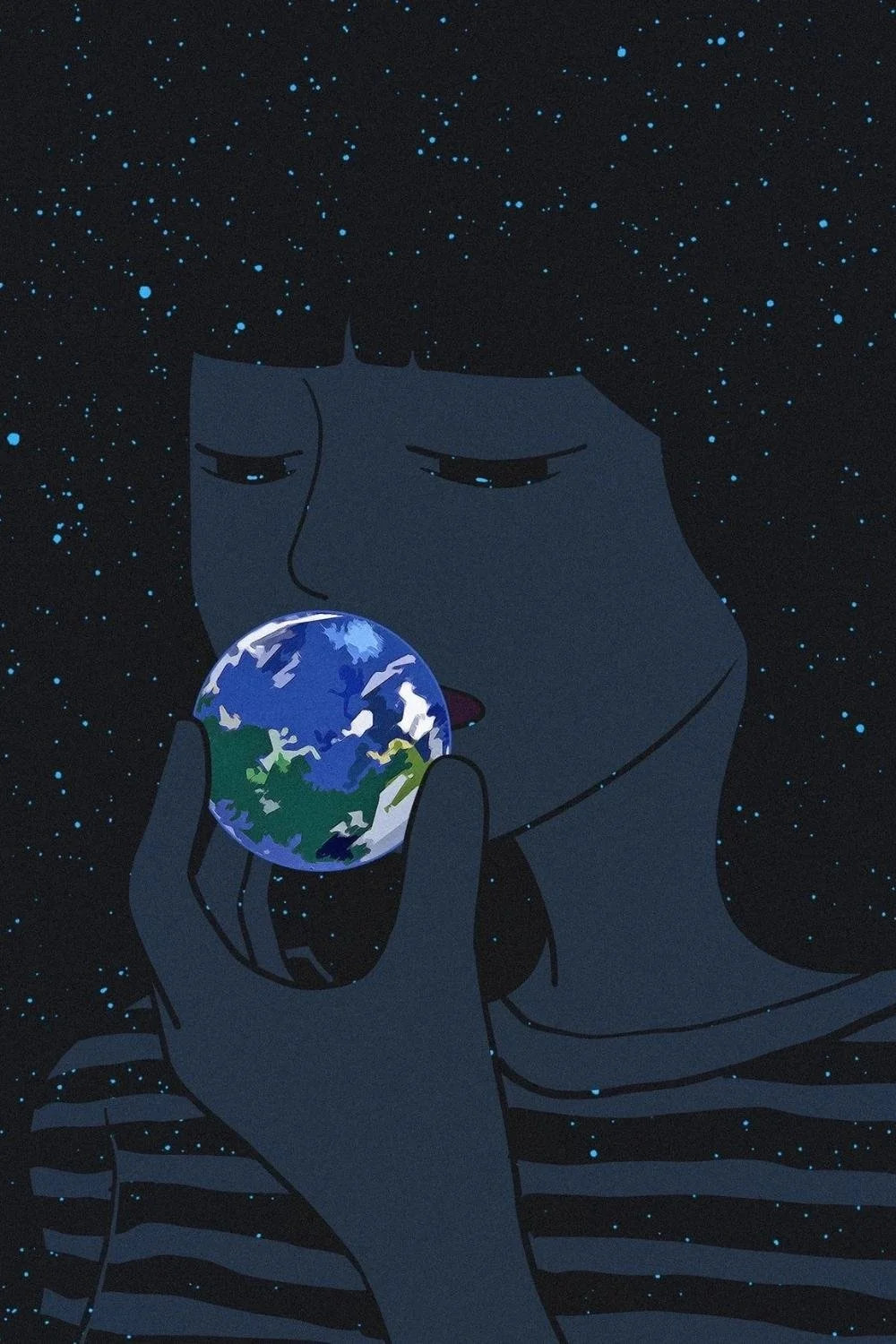
Artists live at the intersection of vulnerability and expression—called to reveal truth, beauty, and meaning through their work, while facing uncertainty, exposure, and the demand to be both original and authentic.
It is one of the hardest and most courageous paths a person can choose. Members of our team have trained and worked in the arts, so we understand the creative process from the inside—the highs of inspiration, the lows of doubt, and the challenge of sustaining a practice that remains both alive and grounded.
How we can help:
Shape a creative process that fits your natural rhythm and way of making
Move through blocks—stuckness, avoidance, self-doubt—without losing your creative thread
Steady anxiety and low mood that can accompany fallow or uncertain seasons
Face the fears that come with sharing work and being seen
Navigate the inner and outer complexities that success can bring
Tap into deeper sources of voice, vision, and unconscious creativity
Build resilience in the face of criticism, rejection, and comparison
Balance commercial pressures with artistic integrity
Care for your mind and body through sustainable work-life rhythms
Shift from validation-seeking and fame-driven striving toward an authentic, self-discovering practice
Our aim is to help you meet the demands of a creative life with steadiness and courage, so that your work can emerge from a place of depth, integrity, and true connection.
“The artist must be willing to confront the shadow and the light within themselves, to bring forth the gifts of their soul.”
— Clarissa Pinkola Estés
Therapy for Artists FAQs
-
A creative block is a mental or emotional barrier that limits access to one’s natural creativity, imagination, and inspiration. It’s a common experience among artists and creators of all kinds—visual artists, writers, musicians, filmmakers, architects, dancers, actors, designers, and anyone whose work involves bringing new ideas into form.
A block may feel like being stuck, unmotivated, disconnected, or unable to express oneself authentically. It can show up as self-doubt, fear, or a lack of inspiration, even when the desire to create remains strong.
-
Yes. Therapy can be a powerful way to understand and work through creative blocks. In our sessions, we offer a supportive and non-judgmental space to explore what’s happening beneath the surface. Together, we can identify emotional, psychological, and situational factors that may be interfering with creative flow, and help reestablish a sense of trust and openness in your creative process.
-
Absolutely. Therapy can help cultivate a more flexible, open, and resilient creative mindset. We work with clients to identify and challenge limiting beliefs—such as perfectionism, self-criticism, or fear of failure—that often restrict creativity. Through increased self-awareness, emotional regulation, and acceptance, therapy supports greater freedom and play in creative work, allowing ideas to emerge more naturally.
-
Creative blocks can arise from many sources—stress, burnout, perfectionism, fear of failure, external pressures, or emotional exhaustion. Sometimes they point to deeper issues that need care, such as loss, trauma, or identity conflicts around creativity itself. By working through these underlying dynamics in therapy, it becomes possible to reconnect with a more authentic, energized, and sustainable creative process.
-
There’s no fixed timeline. For some, a block might pass within days; for others, it may last months or years. What matters is not how long it lasts but how we relate to it. Creative blocks are often part of the natural rhythm of a creative life, signaling the need to pause, replenish, or shift direction. With patience, curiosity, and support, new inspiration can emerge from the very place that once felt blocked.
-
Yes. Trauma can deeply affect one’s ability to create. Feelings of fear, shame, or self-doubt may make it difficult to access imagination or vulnerability. Because creative work often involves exposure and emotional risk, trauma can lead to withdrawal, loss of confidence, or fear of judgment. Working with a therapist to process the emotional residue of trauma can help restore trust in one’s voice and capacity for creative expression.
-
Depression can make creative work feel impossible. It can sap energy, motivation, and joy, while increasing feelings of disconnection or futility. The same sensitivity that fuels creativity can also heighten vulnerability to despair. Therapy can help address the root causes of depression and support reconnection to the life energy that creativity depends on, allowing expression to return in its own time and form.
-
Dreams open a direct channel to the unconscious—the source of imagination, symbol, and inspiration. By engaging with dream images and themes, we can access the raw material of the psyche that often fuels artistic creation. In therapy, exploring dreams can help bypass the critical mind, awaken intuition, and reveal new directions for creative work. Dreamwork can reconnect you to the deeper, living currents of creativity that flow beneath ordinary awareness.

Healing Begins With a Conversation
Book a free 30-minute consultation with Into the Deep Therapy to learn more about our process, ask questions, and explore whether our approach feels like a good fit. We offer in-person therapy in Toronto (Yonge & Eglinton) and online therapy across Ontario.